
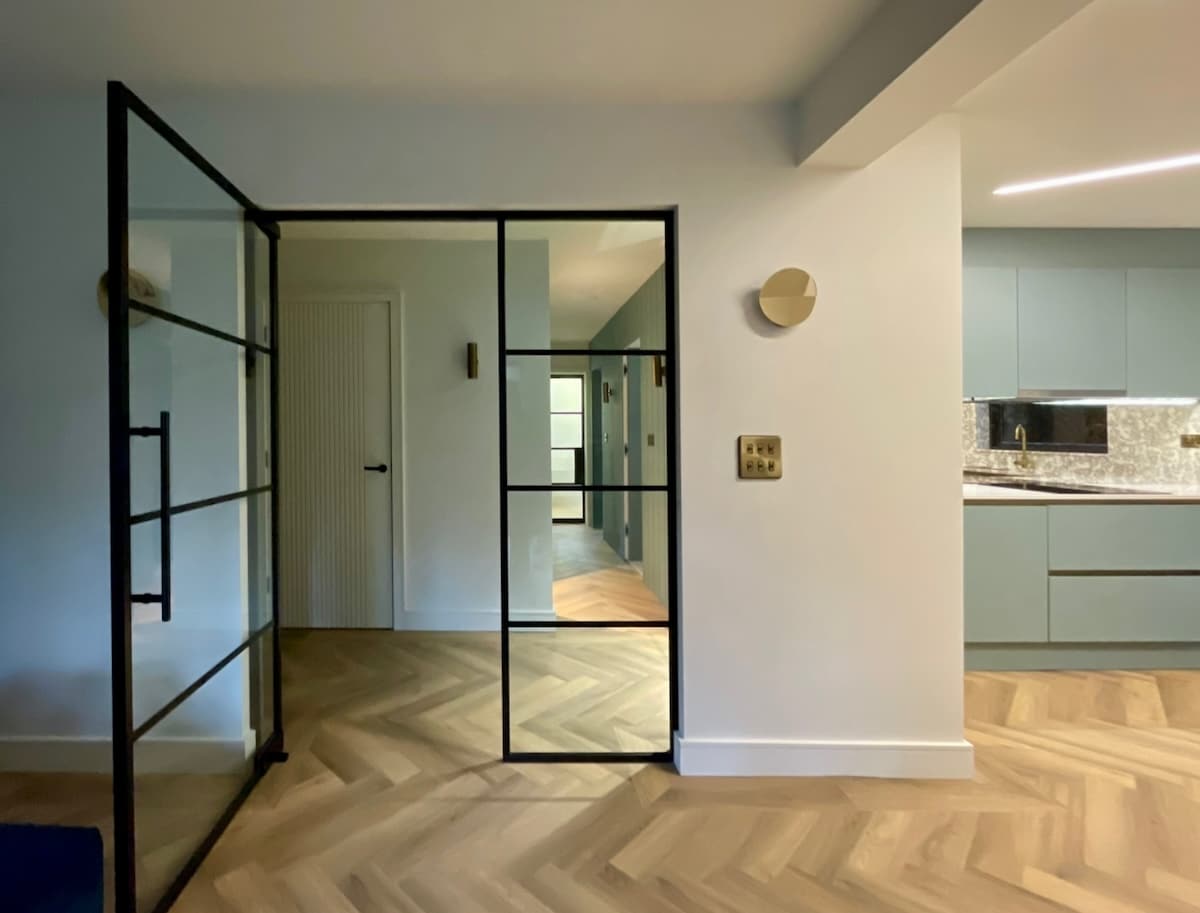
You know the feeling. You’ve been in your house long enough to know what works and what doesn’t. The kitchen is too dark. The downstairs layout sends you the long way round. The extension the previous owner added has never felt right. You’ve started browsing Property Pal, not because you want to leave, but because you can’t quite see how to stay.
Most homeowners in Greater Belfast who feel like they’ve outgrown their home haven’t actually run out of space. The square footage is often fine. It’s the layout and relationship between rooms that lets the house down.
Before you book an estate agent visit, it’s worth asking a different question. Not “where should we move?” but “what could this house become if someone rethought it properly?”
Why moving isn’t always the answer
Moving house in Belfast is expensive. Stamp duty, legal fees, estate agent costs and the price of the move itself can easily run into tens of thousands of pounds, before you’ve even spent a pound on the new place. Then there’s the reality that your new house will possibly need work too.
That’s before you weigh up what you’d be leaving behind. You chose where you live for a reason. The school run, commute, neighbours, the street itself. Those things are harder to replace than a kitchen.
A well-designed renovation lets you keep everything that’s right about where you live and fix what isn’t. It can transform how your home feels, without the upheaval and cost of starting again somewhere new. In many cases, the money you’d spend on moving goes further when it’s invested in the house you already have.
That doesn’t mean a renovation is always cheaper than moving. But it does mean that writing off your current home before you’ve explored what it could become is a missed opportunity.
How to know if your home is worth improving
Not every house is a candidate for renovation, but most are. If you recognise any of these, your home is probably worth a closer look.
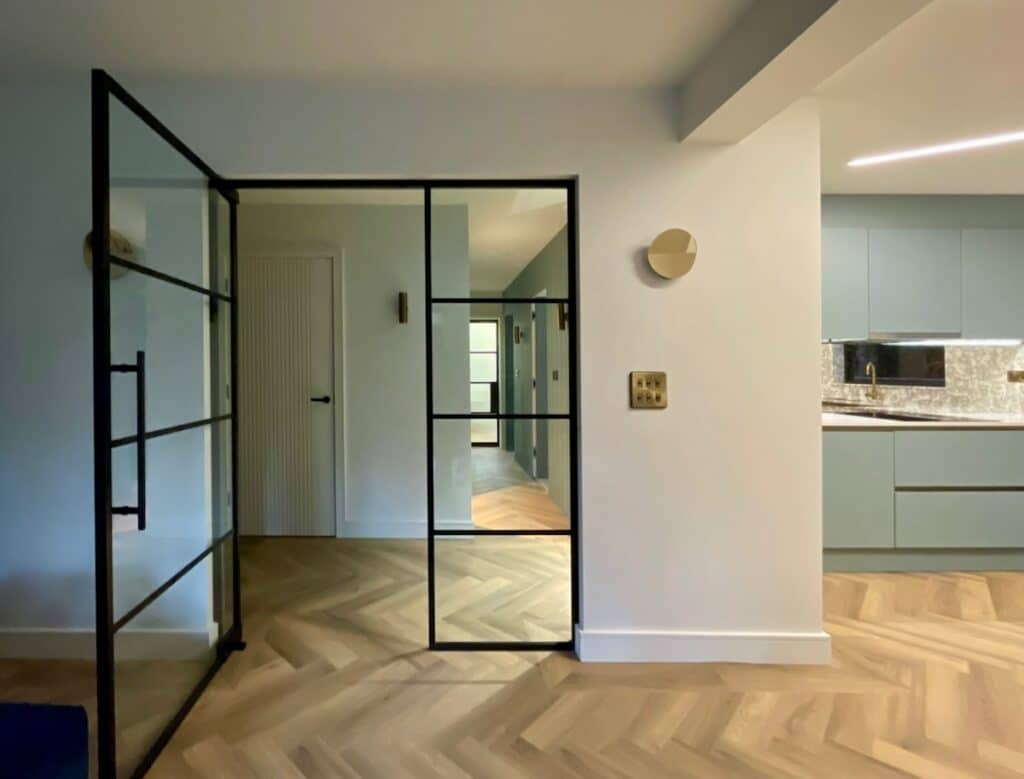
The rooms don’t connect the way they should. You have a kitchen, a dining room and a living room, but they feel like three separate boxes rather than a space that flows. This is one of the most common problems in Belfast’s housing stock, from Victorian terraces to 1980s developer builds. It’s also one of the most transformative things a renovation can fix.
The ground floor is dark. Rear returns, narrow hallways and small windows are standard in older Belfast homes. A renovation can open up the plan and bring natural light deep into the house, often without adding a single square foot.
You have a poor extension. Someone added space at some point, but it never sat right. The ceiling is too low or the connection to the original house feels awkward. It might block the light from the rooms around it. Replacing a bad extension with a good one can change how your entire house feels.
The house is big enough, but nothing is in the right place. You have spare rooms nobody uses while the kitchen is bursting. The master bedroom is the smallest room upstairs. The utility room is a cupboard. These are layout problems, not space problems. An architect can solve them without adding to the footprint.
You love the location. This one matters more than people think. If you’d struggle to find the same street, neighbours and commute somewhere else, that’s a strong reason to invest in your house rather than leave it.
If you’re nodding along to two or three of these, your home has potential that a good renovation could unlock.
What a renovation actually involves
If you’ve never worked with an architect on a renovation, the process can feel like a mystery. Here’s what it actually looks like.
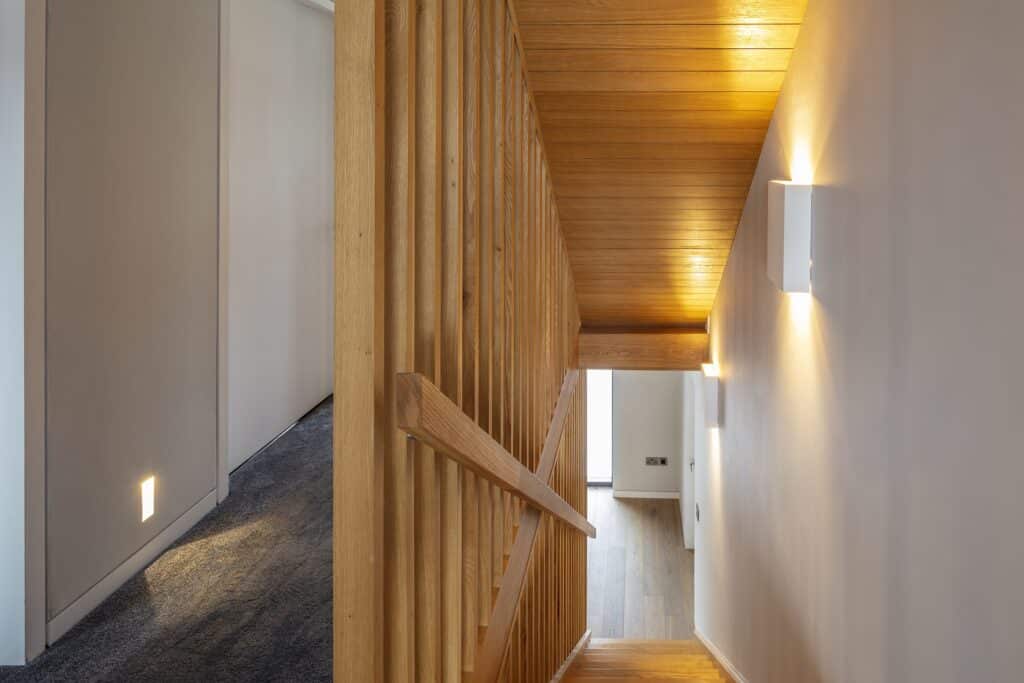
It starts with your home as it is now. An architect will visit your house and spend time understanding how you use it. Not just measuring rooms, but asking questions you might not have considered. Which rooms do you gravitate towards? Which do you avoid? Where does the light come from and where does it never reach? What did you love about the house when you bought it? What have you lived with for too long?
Then comes the design. This is where the house starts to change on paper. Your architect develops a concept that rethinks the layout, tests different approaches and shows you options you might not have considered. Some homeowners come to us knowing exactly what they want. Others know something is wrong but can’t pinpoint what. Either way, the design evolves through collaboration, until it feels like the home you should have been living in all along.
Planning permission may or may not be needed. Internal alterations often fall outside planning control entirely. But if the project involves changes to the outside of the house, a replacement extension or works to a listed building, you’ll likely need consent. A good architect will advise you early and manage the application if needed.
The details protect your budget. Once the design is agreed, it gets developed into technical drawings and specifications for your builder. Renovation work is demanding on detail. Floor levels vary. Services run in unexpected places. The more thoroughly the work is specified, the fewer surprises emerge on site and the more accurately the project can be priced.
Things will come up during the build. A wall comes down and the structure behind it isn’t what anyone expected. Existing services need rerouting. Decisions need to be made quickly and carefully. This is why oversight from an architect during construction matters. Regular site inspections keep the project on track and protect both the design and your investment.
The whole process typically takes a few months of design and planning followed by several months on site, depending on the scope. It’s not a quick fix, but it’s a considered one. And the result is a home that works the way it should.
Why local expertise matters for Belfast renovations
Renovating a home in Greater Belfast isn’t the same as renovating one anywhere else. The housing stock has its own character. Red-brick Victorian terraces in areas like Stranmillis and the Lisburn Road. 1930s semis across south and east Belfast. Post-war detached homes in Holywood and Bangor. Each type has its own structural quirks, and an architect who has worked on dozens of them will spot opportunities and problems that someone unfamiliar with the stock would miss.
To see what this looks like in practice, take a look at our renovation projects, including the South Belfast apartment where we reimagined every room to make the space feel twice the size.
Planning is another area where local knowledge pays off. Conservation areas like Malone Park and central Holywood have specific sensitivities around what can and can’t be changed. Knowing where there’s flexibility and where constraints need to be respected can save months of wasted effort and keep your project on a realistic path from the start.
When moving might genuinely be the better option
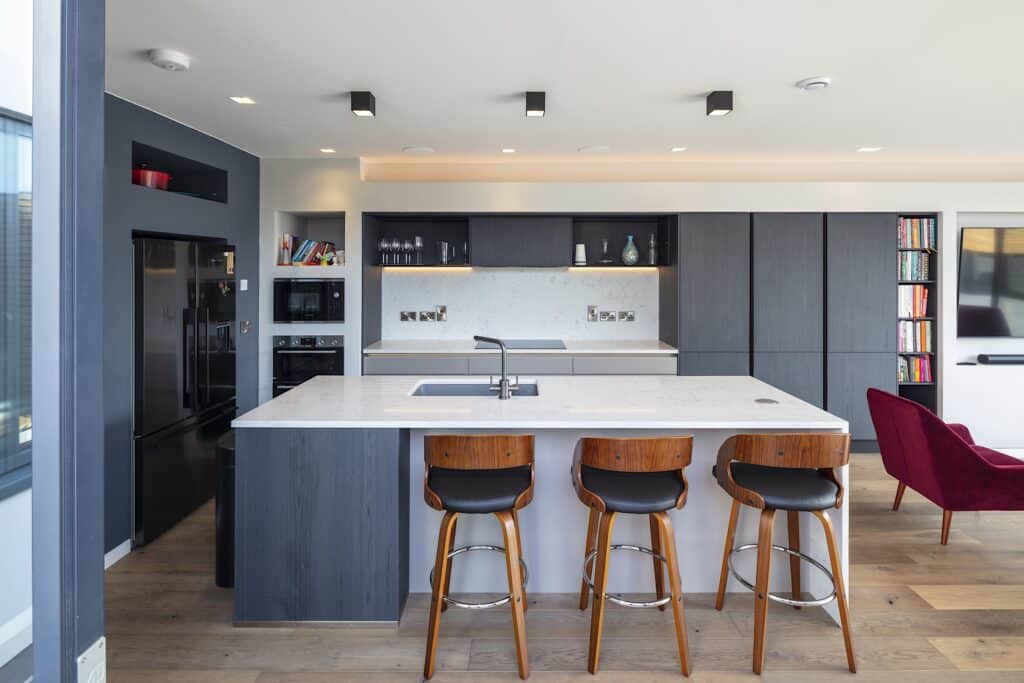
We’d be dishonest if we said renovation is always the answer. Sometimes moving is the right call.
If your home is fundamentally too small and there’s no scope to extend, renovation can improve the layout, but it can’t create space that isn’t there. A two-bedroom terrace with no garden and no room to build won’t become a four-bedroom family home, no matter how clever the design.
If the location no longer works for you, no renovation will shorten your commute or move you closer to your children’s school. When the reason for leaving is where the house is rather than what the house is, improving it won’t solve the problem.
If the cost of the work would exceed what it adds in value and enjoyment, sometimes the numbers don’t stack up. A good architect will discuss this honestly, rather than take on a project that doesn’t make sense for you.
Renovation isn’t always better than moving. However we sometimes meet homeowners who are considering moving without ever properly exploring what their current home could become. Getting a professional opinion before you commit either way is the smartest first step you can take.
Ready to find out what your home could become?
If you’ve read this far, you’re probably weighing up your options. That’s exactly the right stage to have a conversation with an architect.
At McCann Moore Architects, we’ve spent two decades helping homeowners across Belfast and Northern Ireland get more from the homes they already have. From full renovations that reimagine a layout to extensions that transform a ground floor, we can give you an honest view of what your home is capable of before you make any decisions.
When you work with McCann Moore, you work directly with our directors Séan McCann and Paul Moore, not a junior team. Combined, they bring sixty years of experience designing homes across Belfast and Northern Ireland.
There’s no commitment. Just a conversation about your home and what might be possible.