
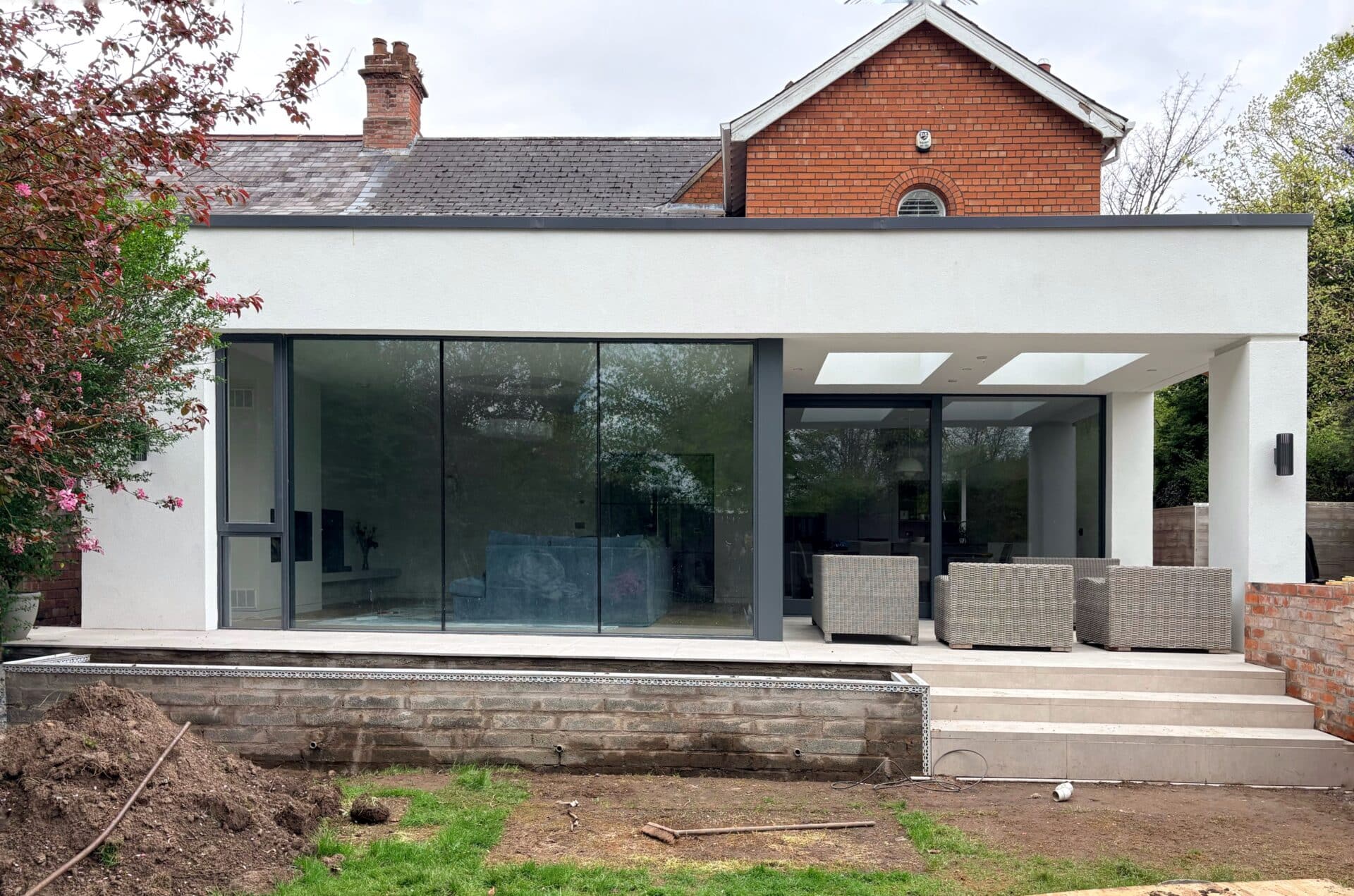
Your design has been approved. Planning permission is in place. You can see your project taking shape on paper and you’re ready for it to happen in reality. But between this moment and your builder arriving on site, there’s a crucial phase that will determine how smoothly your project runs, how accurately it’s priced and how well the finished result matches what was designed.
This is the stage most homeowners know least about. It’s less exciting than the design process and less visible than the construction, but it’s where the real groundwork happens.
Get it right and your build flows. Get it wrong and you’re dealing with delays, unexpected costs and compromises you didn’t sign up for.
Here’s what to expect and why each step matters.
What to expect in the final design stages before construction begins
Finalising the drawings and specifications
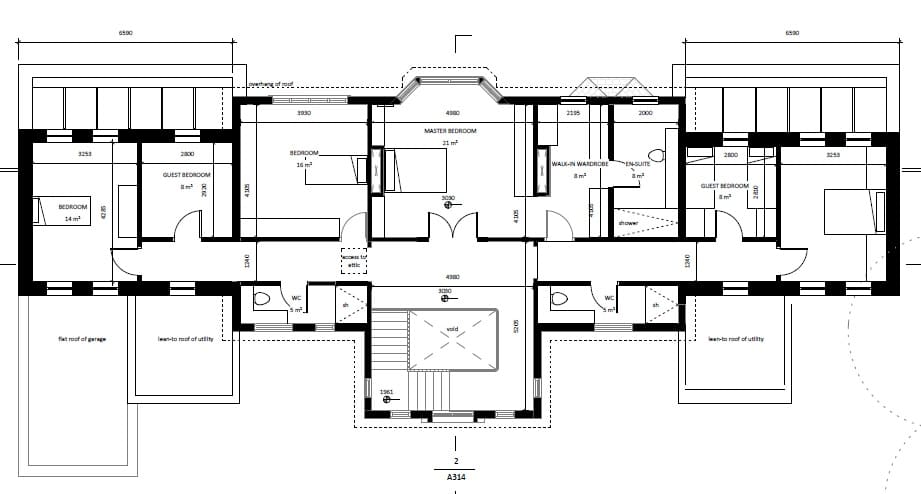
By this stage, the overall design is settled. What happens now is the detailed technical work that turns a design concept into something a builder can actually construct.
Your architect develops the drawings to a level of detail that covers everything from internal layouts to structural connections, drainage runs, insulation build-ups and how different materials meet each other.
Lighting, heating and electrical layouts are coordinated, so nothing clashes once work starts on site. These aren’t rough sketches. They’re precise documents that your builder will follow day by day.
The quality of this documentation directly affects your project. Thorough drawings mean builders can price accurately because they’re not guessing. They mean fewer questions on site because the answers are already on the page. They also mean the finished result is more likely to match what you approved during the design stage, because nothing was left to interpretation.
This is detailed, time-consuming work and it’s one of the main reasons you hire an architect. Skipping or rushing it is where projects start to go wrong.
Choose your materials and finishes
This is often the part clients enjoy most, but it carries real consequences for your budget and your timeline.
Your architect works with you to confirm selections: flooring, sanitary ware, window and door specifications, external finishes like brick or cladding. Some of these choices affect the building’s performance as well as its appearance, so they need to be made with both in mind.
The reason this happens now rather than later is lead times. Suppliers often need weeks or months to deliver specific products. If you delay a decision on your kitchen worktop or your external cladding, that delay ripples through the build programme. Confirm as much as possible before your builder starts and you avoid holding up the project while you wait for materials to arrive.
Your architect can guide you on where to invest and where to save, which products perform well over time and which look good in a brochure but cause problems down the line. That advice is worth taking before you commit.
Building control approval
Building control is separate from planning permission. Most homeowners don’t fully understand the difference until they’re in the middle of a project.
Planning permission governs what you build: the scale, appearance, how it sits within its surroundings.
Building control governs how you build it: structural safety, energy performance, ventilation, fire protection, accessibility.
Almost all construction work in Northern Ireland requires building control approval, even projects that don’t need planning permission.
Your architect prepares and submits the building control application on your behalf, making sure the technical drawings meet every requirement before they go in. A thorough submission avoids the back-and-forth that comes from incomplete documentation, which can push your start date back by weeks.
This isn’t the most glamorous part of the process, but a delay at building control holds up everything that follows. Your architect’s job is to make sure that doesn’t happen.
Finding the right builder
Your architect prepares a tender package — the complete set of drawings, specifications and schedules that allow builders to price the project accurately. This goes out to a shortlist of contractors with the right experience for your type of project.
When the prices come back, your architect helps you evaluate them. The cheapest quote is rarely the best indicator of value. What matters is whether the builder understands the project, has relevant experience, can commit to a realistic programme and has references you can check. A good tender process gives you the information to make that judgment with confidence rather than guesswork.
Your architect also supports the contract negotiation, making sure both you and the builder are clear on what’s included, what’s excluded and how variations will be handled. Getting this right before work starts prevents disputes later.
Choosing the wrong builder can undermine even the best design. This step is worth taking seriously.
Agreeing a timeline and budget
With a builder appointed, your architect helps you establish a realistic programme for the build. This means agreeing key milestones, understanding how long each phase of construction will take and knowing when decisions or sign-offs will be needed from you.
Budget is revisited at this point too. The tender price gives you a firm figure for the core build, but your architect will also advise on contingency. Every project encounters something unexpected, particularly renovations and extensions where existing structures don’t always behave the way the original drawings suggest. A sensible contingency allocation means surprises don’t derail the project.
Clarity at this stage protects everyone. You know what you’re spending and when. Your builder knows what’s expected and by when. Nobody is working on assumptions.
What your architect does once construction starts
Some homeowners assume the architect’s job ends when the builder arrives. It doesn’t.
Your architect carries out regular site inspections throughout the build, checking that the work matches the drawings. When questions come up on site — and they always do — your architect is there to resolve them quickly, protecting the design intent without holding up the programme.
This matters most when something unexpected appears. A wall comes down and the structure behind it isn’t what anyone predicted. Ground conditions throw up a problem. A specified product becomes unavailable and an alternative needs to be assessed. These situations require decisions that balance design, budget and programme. They need to be made by someone who understands all three.
Architect oversight during construction is one of the most valuable parts of the service. It’s also the part most homeowners don’t know they need until they’re in the middle of a build without it.
Ready to talk about your project?
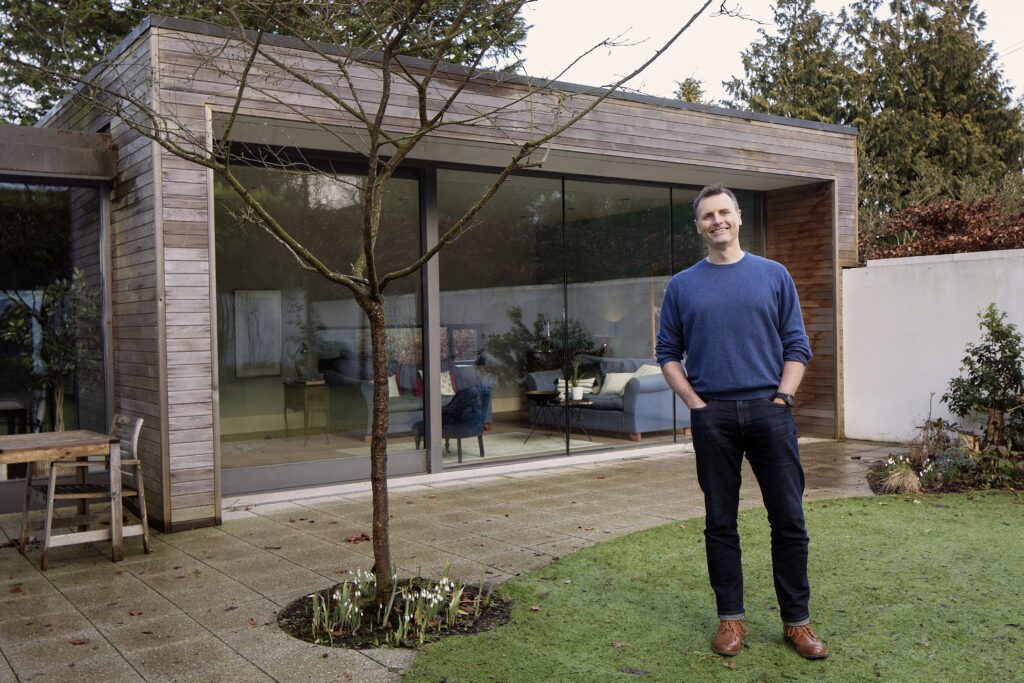
At McCann Moore, you work directly with our directors Séan McCann and Paul Moore, who stay involved from first conversation through to completion.
Take a look at some of our recent extension, renovation and new build projects.